01 / COSMETIC DEFECTS
Hairline cracks & fine lines
Inspect small, stable cracks in plaster or painted surfaces, prepare the edges and choose suitable filler before priming.
How the work is plannedHairline cracks, small dents or peeling paint can spoil an otherwise beautiful room. We assess visible wall damage, plan suitable cosmetic repairs and finish with careful priming and repainting.

Not all surface defects are the same. A useful quotation starts by separating normal cosmetic imperfections from persistent moisture or movement-related damage.
Inspect small, stable cracks in plaster or painted surfaces, prepare the edges and choose suitable filler before priming.
How the work is planned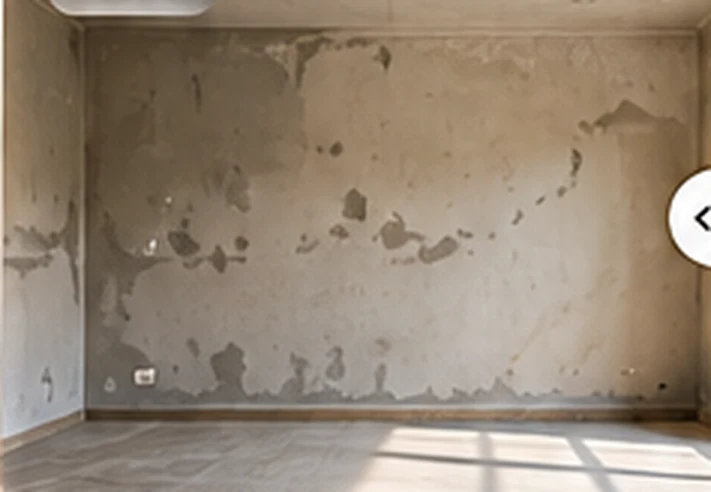
Remove loose coating where needed, smooth uneven patches and establish a sound surface before repainting.
How the work is plannedFill minor holes or dents, level and sand repaired areas as appropriate, then prime and blend the finish.
How the work is plannedCracks can come from normal surface wear, but some are linked to movement, leakage or dampness. Cosmetic filling and painting should only proceed after the cause has been considered.
Note location, width, pattern and whether the crack is new, growing or recurring. Check the surrounding plaster and coating.
Active leaks, persistent dampness, wide or diagonal cracks and visible movement require appropriate assessment beyond cosmetic painting.
For suitable minor surface damage, remove unstable material, fill or patch with a compatible system and smooth the repair.
Allow repair materials to cure, select compatible primer and apply the agreed paint finish after preparation is complete.
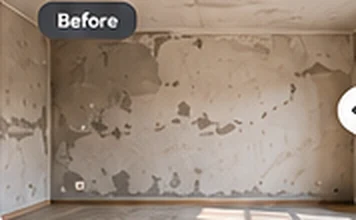
Use the slider to compare illustrative wall conditions. These are design concepts—not a documented repair of the same wall. Real results depend on the defect, substrate and agreed repair method.
Visual example only. Some cracks need investigation or specialist repair before decorative treatment is appropriate.
A quotation should explain what is being repaired, the materials proposed, any issues requiring further investigation and the finish you can expect.
Share clear photos, approximate dimensions, location and whether cracks are widening or returning.
Review the substrate and signs of movement or moisture; identify what cosmetic work can safely address.
Protect adjacent areas, prepare defects, apply suitable filler or patch materials, sand and prime where appropriate.
Apply the agreed paint coats, inspect consistency and discuss any limitations of the repaired area.
Six illustrative references to wall damage, surface preparation and paint finishes. These are not before-and-after photographs of one completed customer project.



Illustrative imagery only; actual wall repairs require an assessment. Images do not depict verified completed customer projects.
The estimate depends on whether damage is cosmetic, the extent of preparation, wall materials, access and the selected finishing system. Request a written quote with repairs and painting listed separately.
Request a tailored estimateThe number, width, location and history of defects determine the assessment and repair approach.
Plaster, gypsum board, loose paint and earlier patch repairs may require different materials or additional preparation.
Active water ingress or building movement must be investigated and dealt with before cosmetic finishing.
Wall area, colour matching, primer, topcoats, access height and protection needs affect the final quote.
Enquire about minor wall crack repair and repainting for apartments, villas, homes and commercial interiors. Share your area and photos so the team can confirm the next assessment steps.

Surface defects look similar but can have different causes. A good repair plan starts with the condition and history of the wall.
Still have a question?Some small, stable cosmetic cracks may be suitable for filling and repainting after preparation. A crack caused by movement or moisture needs its cause addressed first.
A webpage or photograph cannot reliably diagnose a structural crack. Widening cracks, large diagonal cracks, repeated movement or damage near openings should be assessed by a suitably qualified professional.
Active leaks or persistent dampness must be investigated and resolved first. Coating damp or unstable material may trap problems and cause early paint failure.
Minor cosmetic plaster imperfections can be discussed as part of a wall preparation and repainting quote, subject to an assessment of the surface.
The appearance depends on texture, old coating, lighting and colour matching. Some walls need a larger painted area to achieve a consistent finish.
It depends on the diagnosis, repair material, curing and drying times, affected area and number of paint coats. A practical schedule can be given after review.
Repeated cracks can indicate continuing movement, moisture or an incompatible repair. The root cause needs to be investigated rather than repeatedly painted over.
Small holes, dents and peeling coatings may be covered by the surface preparation scope. Describe each defect when requesting an estimate.
The quote considers defect type, wall area, access, preparation, materials, priming and topcoats. Ask what is included and what requires additional specialist work.
Describe where the wall is damaged and whether the cracks are new, changing or damp. This form opens a WhatsApp draft for your review; it does not confirm a repair or appointment.